
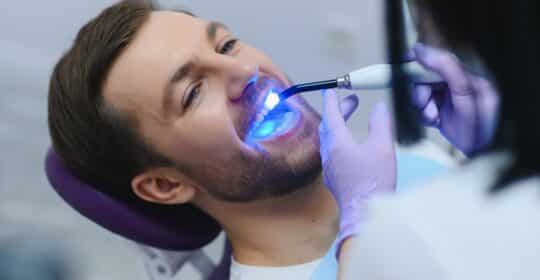
Why Replacing Old Dental Work Can Protect Your Smile
Dental restorations like fillings, crowns, bridges, and veneers are designed to restore and protect your teeth—but they don’t last forever. Over time, even the best dental work can wear down, loosen, or become damaged, putting your oral health at risk.
At Evanson Dental, we often see patients who don’t realize their existing dental work may be due for an update. Replacing old restorations at the right time can prevent bigger problems, save you money in the long run, and keep your smile looking and feeling its best.
How Long Does Dental Work Last?
Different types of dental restorations have different lifespans depending on the material, location in the mouth, and your oral habits.
Average Lifespan of Common Dental Work:
- Composite (tooth-colored) fillings: 5–10 years
- Amalgam (silver) fillings: 10–15 years
- Dental crowns: 10–15 years (sometimes longer with proper care)
- Dental bridges: 10–15 years
- Veneers: 10–20 years
While these are general guidelines, some restorations may need to be replaced sooner—especially if they’ve experienced wear, damage, or changes in your bite.
Why Old Dental Work Needs Attention
Even if your dental work “looks fine,” problems can develop beneath the surface. Over time, restorations can weaken or lose their seal, allowing bacteria to enter and cause decay.
Common Issues with Aging Dental Work:
- Cracks or chips in fillings or crowns
- Gaps forming between the restoration and tooth
- Discoloration or staining
- Wear from chewing or grinding
- Loosening or shifting
When these issues go untreated, they can lead to more serious concerns like infection, tooth fractures, or the need for root canal therapy.
The Hidden Risks of Delaying Replacement
It can be tempting to put off replacing old dental work—especially if it’s not causing pain. However, waiting too long can lead to complications that are more complex and costly to treat.
Potential Risks Include:
- Tooth decay under old fillings or crowns
- Infection or abscess formation
- Cracked or broken teeth
- Gum irritation or inflammation
- Complete restoration failure
Replacing a worn filling is far simpler than treating advanced decay or repairing a fractured tooth. Preventive care is always the best approach.
Signs Your Dental Work May Need Replacing
Not sure if your dental work is still in good shape? There are several signs to watch for that may indicate it’s time for an evaluation.
Warning Signs Include:
- Sensitivity to hot, cold, or pressure
- Pain when biting or chewing
- Rough or uneven edges
- Visible cracks or wear
- Darkening around a filling or crown
- A crown that feels loose or shifts
If you notice any of these symptoms, it’s important to schedule a dental visit as soon as possible.
Modern Materials Make a Difference
One of the biggest advantages of replacing old dental work today is access to advanced materials and techniques. Modern restorations are stronger, more natural-looking, and more comfortable than ever before.
Benefits of Updated Dental Work:
- Improved durability and longevity
- Better fit and seal to protect against bacteria
- Natural appearance that blends with your smile
- Enhanced comfort and bite alignment
At Evanson Dental, we use high-quality materials designed to restore both function and aesthetics, so your smile looks as good as it feels.
Protecting Your Overall Oral Health
Your dental restorations play a key role in maintaining the health of your entire mouth. When they’re compromised, it can affect surrounding teeth, gums, and even your bite.
Replacing outdated or damaged dental work helps:
- Prevent the spread of decay
- Maintain proper bite alignment
- Protect neighboring teeth
- Reduce strain on your jaw
- Support long-term oral health
Think of it as reinforcing your smile before small issues turn into major concerns.
The Role of Regular Dental Checkups
The best way to know when your dental work needs attention is through routine dental visits. During your checkup, your dentist will examine existing restorations and look for signs of wear or damage.
At Evanson Dental, we use advanced diagnostic tools to detect issues early—often before you feel any symptoms. This allows us to recommend timely replacements and help you avoid more invasive procedures.
What to Expect When Replacing Dental Work
If your dentist recommends replacing a filling, crown, or other restoration, the process is typically straightforward and comfortable.
The Process May Include:
- Removing the old restoration
- Cleaning and preparing the tooth
- Placing a new filling, crown, or restoration
- Ensuring proper fit and bite alignment
Our team focuses on making the experience as smooth and stress-free as possible.
Invest in a Healthier, Stronger Smile
Your smile is worth protecting—and that includes the dental work that supports it. Replacing old or worn restorations isn’t just about appearance; it’s about preventing damage, preserving your natural teeth, and maintaining long-term oral health.
At Evanson Dental, we’re committed to helping you stay ahead of potential issues with proactive, personalized care. If you have older dental work or haven’t had it evaluated recently, now is the perfect time to schedule a visit.
Let’s keep your smile strong, healthy, and beautiful for years to come.
Leave a reply →


