
Dental Crowns: When Does a Tooth Need One?
Your teeth are incredibly strong, but they aren’t indestructible. Years of chewing, tooth decay, cracks, injuries, and previous dental work can leave a tooth weakened or damaged. When that happens, a dental crown may be recommended to restore and protect it.
A dental crown covers the visible portion of a tooth, helping restore its strength, shape, appearance, and function. But how do you know when a filling is enough and when a tooth needs a crown?
At Evanson Dental, we evaluate each tooth individually to determine the most appropriate way to protect your smile. Here are some of the most common reasons your dentist may recommend a dental crown.
What Is a Dental Crown?
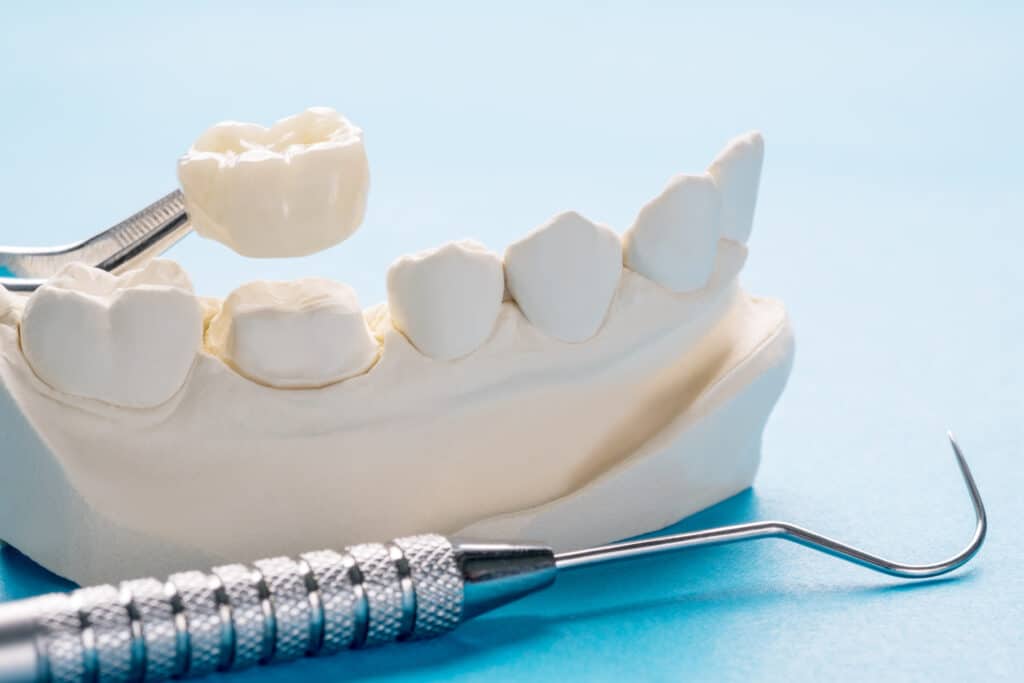
A dental crown is a custom-made restoration designed to fit over a damaged or weakened tooth.
You may sometimes hear a crown referred to as a “cap” because it essentially caps the visible portion of the tooth above the gumline.
Crowns can be made from several materials, including ceramic, porcelain, zirconia, metal alloys, or combinations of materials. The right option depends on factors such as where the tooth is located, how much chewing pressure it receives, and your cosmetic goals.
Once placed, a crown is designed to look and function much like a natural tooth.
Why Would a Tooth Need a Crown?
Dental crowns can be used for both restorative and cosmetic reasons, but their primary purpose is often to protect a tooth that no longer has enough healthy structure to remain strong on its own.
Some of the most common reasons for needing a crown include:
- A large cavity
- A cracked or fractured tooth
- A weakened tooth
- A large existing filling
- Root canal treatment
- Significant tooth wear
- A broken tooth
- Cosmetic concerns
- Restoring a dental implant
Your dentist will examine the tooth and determine whether a crown or another restoration is most appropriate.
A Large Cavity May Require More Than a Filling
Small to moderate cavities can often be repaired with dental fillings. However, there comes a point when there may not be enough healthy tooth structure remaining to securely support a large filling.
If extensive decay has weakened a significant portion of the tooth, placing an even larger filling may leave the tooth vulnerable to cracking or breaking.
A dental crown surrounds the remaining tooth structure, providing additional protection while restoring its shape and function.
Treating cavities early can sometimes reduce the need for more extensive restorative treatment, which is one reason routine dental exams are so important.
Crowns Can Protect Cracked Teeth
A crack can weaken a tooth even when the damage isn’t immediately visible.
You may notice sharp discomfort when biting or releasing your bite, sensitivity to temperature, or intermittent pain that seems difficult to pinpoint.
Depending on the location and severity of the crack, a dental crown may help hold the tooth together and protect it from additional damage.
However, not every cracked tooth can be restored with a crown. Cracks that extend deeply beneath the gumline or into the root may require different treatment.
If you think you’ve cracked a tooth, schedule an evaluation rather than waiting for it to become more painful.
A Broken Tooth May Need a Crown
Teeth can break because of an injury, biting something hard, untreated decay, or gradual weakening over time.
When enough healthy tooth remains, a crown may be used to rebuild the damaged tooth and restore its ability to bite and chew.
Even if a broken tooth doesn’t hurt, it should still be evaluated. Damage may expose more vulnerable areas of the tooth to bacteria and additional stress.
Prompt treatment can sometimes make the difference between restoring a tooth and needing more extensive care later.
Why Are Crowns Often Recommended After Root Canal Treatment?
Root canal treatment removes infected or inflamed pulp from inside a tooth. Afterward, the tooth needs to be restored and protected.
Depending on the tooth and how much structure remains, a dental crown may be recommended following root canal treatment.
Back teeth, such as molars and premolars, experience significant chewing forces and commonly benefit from the protection a crown provides.
The crown helps restore the tooth’s shape and function while reducing the risk of the remaining tooth structure fracturing.
Large Fillings Can Weaken Over Time
Dental fillings can last for many years, but they don’t last forever.
Teeth with very large fillings may have relatively little natural tooth structure remaining around the restoration. Over time, repeated chewing forces can place stress on these weakened areas.
If an old filling breaks, leaks, or leaves the surrounding tooth vulnerable to fracture, your dentist may recommend replacing it with a crown.
Regular dental exams allow your dentist to monitor existing restorations and identify changes before a tooth breaks unexpectedly.
Teeth Grinding Can Contribute to Tooth Damage
Grinding or clenching your teeth, also called bruxism, can place significant pressure on your smile.
Over time, grinding may wear down enamel, flatten chewing surfaces, or contribute to cracks and fractures.
Severely worn or damaged teeth may sometimes require crowns to restore their shape and function.
However, restoring the tooth is only part of the solution. If grinding caused the damage, your dentist may also recommend addressing the underlying habit, potentially with a custom nightguard.
Otherwise, continued grinding could place excessive pressure on the new restoration.
Can Dental Crowns Improve the Appearance of Teeth?
Although crowns are frequently used to restore damaged teeth, they may also improve the appearance of certain teeth.
A crown can change the shape, size, or color of a tooth when appropriate. For example, a tooth that is severely discolored, misshapen, or significantly damaged may benefit from a crown.
However, crowns aren’t necessary for every cosmetic concern. Depending on your goals, options such as veneers, bonding, or professional teeth whitening may be more conservative.
Your dentist can help you compare your options.
What Happens When You Get a Dental Crown?
The process begins with an examination of the tooth. Your dentist may also use X-rays to evaluate areas that aren’t visible during the clinical exam.
If a crown is appropriate, the tooth is prepared so the restoration can fit securely over it.
An impression or digital scan may then be used to create a crown designed for your bite and tooth shape.
Depending on the type of crown and treatment process, a temporary crown may be placed while the final restoration is created.
Once the permanent crown is ready, your dentist checks its fit, appearance, and bite before securely attaching it to the tooth.
How Long Do Dental Crowns Last?
Dental crowns are designed to be durable, but their lifespan varies.
Your oral hygiene, diet, teeth-grinding habits, crown material, and the amount of force placed on the tooth can all affect how long a restoration lasts.
You can help protect a dental crown by:
- Brushing twice daily
- Flossing around the crown every day
- Keeping up with dental exams and cleanings
- Avoiding chewing ice and other extremely hard objects
- Wearing a nightguard if recommended for grinding
- Addressing problems with the crown promptly
The tooth underneath a crown can still develop decay, particularly around the edges of the restoration. Good oral hygiene remains essential even after the tooth has been restored.
How Do You Know If You Might Need a Crown?
You can’t always determine whether you need a crown based on symptoms alone.
However, you should schedule a dental appointment if you notice:
- A cracked or chipped tooth
- A broken filling
- Pain when biting or chewing
- New or persistent tooth sensitivity
- A tooth that feels weak
- Significant tooth wear
- A piece of your tooth has broken off
- Problems with an existing crown or large filling
Sometimes a weakened tooth causes very few symptoms until it fractures. Routine dental exams give your dentist an opportunity to identify potential problems before that happens.
Is a Crown Always the Best Option?
No. Dental treatment should be based on the condition of the individual tooth.
A small cavity may only require a filling, while cosmetic bonding may be appropriate for minor chips. More significant damage may require a crown.
In other cases, a tooth may be too damaged to predictably restore with a crown.
The goal is to preserve as much healthy natural tooth structure as possible while choosing a restoration that provides appropriate protection and function.
Restore and Protect Your Smile at Evanson Dental
A damaged tooth doesn’t always need to be removed. In many cases, a dental crown can help protect weakened tooth structure while restoring the appearance and function of your smile.
Whether you have a large filling, cracked tooth, extensive decay, or a tooth that has undergone root canal treatment, the team at Evanson Dental can evaluate your smile and determine whether a dental crown is the right solution.
If you’ve noticed a broken tooth, discomfort while chewing, or changes around an existing filling or crown, don’t wait for the problem to get worse.
Contact Evanson Dental today to schedule an appointment and learn more about your restorative dental treatment options.
Leave a reply


