
Dental Crowns: When Does a Tooth Need Extra Protection?
Your teeth are incredibly strong, but they’re not indestructible. Years of chewing, grinding, and everyday wear can take a toll on your smile. Sometimes, a tooth becomes damaged or weakened to the point that a regular filling isn’t enough to restore its strength and function.
That’s where dental crowns come in.
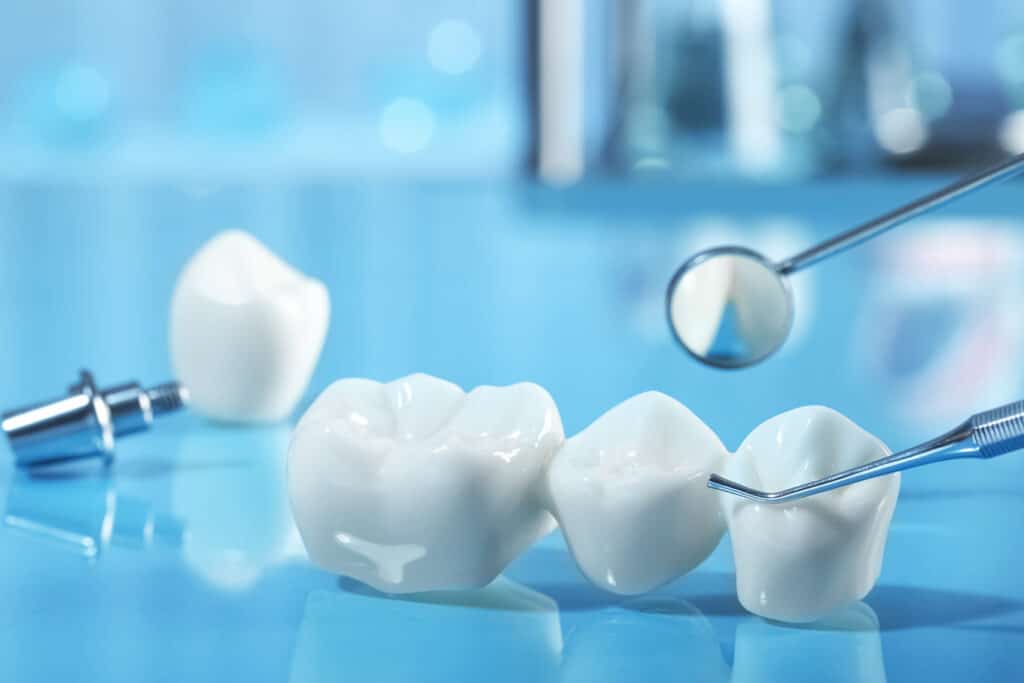
A dental crown is a custom-made restoration designed to cover and protect a damaged tooth. Whether you’re dealing with a large cavity, a cracked tooth, or a tooth that’s undergone root canal treatment, a crown may help restore your smile while protecting the remaining natural tooth structure.
At Evanson Dental, we believe understanding your treatment options is an important part of maintaining a healthy smile. Here’s what you should know about dental crowns, when they’re recommended, and how they can help protect your teeth.
What Is a Dental Crown?
A dental crown is a tooth-shaped restoration that fits over the visible portion of a natural tooth.
Unlike a filling, which replaces a smaller area of damaged tooth structure, a crown covers much of the remaining tooth to help restore its shape, strength, and function.
Dental crowns are custom-designed to fit comfortably within your bite and blend with your surrounding teeth.
Depending on your needs, crowns may be made from materials such as porcelain, ceramic, zirconia, metal alloys, or combinations of materials.
The goal is to restore a tooth that has been weakened or damaged while preserving as much healthy natural tooth structure as possible.
1. A Tooth Has a Large Cavity
Cavities are one of the most common reasons patients need restorative dental care.
When decay affects a relatively small area, a dental filling is often sufficient to restore the tooth.
However, if a cavity becomes extensive, a large portion of the tooth may need to be removed.
This can leave the remaining tooth structure too weak to support a traditional filling.
In these situations, a dental crown may be recommended to help protect the tooth from additional damage.
By covering the remaining tooth structure, a crown can help distribute chewing forces and restore normal function.
Not every large cavity requires a crown. Your dentist will evaluate how much healthy tooth structure remains before recommending the most appropriate restoration.
2. A Tooth Is Cracked or Fractured
Have you ever experienced a sharp pain when biting down?
A cracked tooth may be responsible.
Teeth can develop cracks because of injuries, biting hard foods, grinding, or years of repeated chewing forces.
Some cracks affect only the outer enamel, while others extend into deeper layers of the tooth.
When a crack compromises the tooth’s structure, a crown may help hold the remaining tooth together and reduce the risk of further fracture.
However, the location and severity of the crack matter.
A crown cannot repair every type of fracture. If a crack extends deeply beneath the gumline or into the root, additional treatment or extraction may be necessary.
That’s why early evaluation is important when a cracked tooth is suspected.
3. A Tooth Has a Large or Failing Filling
Dental fillings are an effective way to repair cavities and restore damaged teeth.
However, fillings don’t last forever.
Over time, an older filling may become worn, cracked, loose, or damaged.
In some cases, new decay may develop around the edges of an existing restoration.
If a tooth has a particularly large filling, the remaining natural structure may also become more vulnerable to fracture.
When replacing the filling alone would leave the tooth insufficiently supported, a crown may provide additional protection.
Your dentist can evaluate the condition of your existing restorations and determine whether a crown or another treatment is appropriate.
4. A Tooth Has Undergone Root Canal Treatment
Root canal therapy is designed to save a tooth when the pulp inside becomes inflamed or infected.
During the procedure, the affected pulp is removed, and the root canal system is cleaned and sealed.
Afterward, the tooth may need a permanent restoration to protect it and restore its function.
Dental crowns are commonly recommended for back teeth following root canal treatment, particularly when a significant amount of tooth structure has been lost.
Molars and premolars experience substantial chewing forces, making protection especially important.
However, not every root canal-treated tooth requires a crown.
The appropriate restoration depends on the tooth’s location, condition, and amount of remaining healthy structure.
5. A Tooth Is Severely Worn Down
Teeth naturally experience some wear over time.
However, excessive wear can occur because of grinding, clenching, acidic exposure, or certain bite-related factors.
When a tooth becomes significantly worn, it may lose part of its original shape or height.
This can sometimes affect chewing comfort, appearance, or the way the teeth come together.
A dental crown may be used to restore the shape and function of a severely worn tooth.
Before recommending treatment, your dentist should also consider what’s causing the wear.
For example, if teeth grinding is contributing to damage, a protective nightguard may be recommended to help protect the restored tooth and surrounding teeth.
6. A Tooth Needs Cosmetic Improvement
Dental crowns aren’t used exclusively for damaged teeth.
In certain situations, they may also improve the appearance of a tooth that is severely discolored, misshapen, or structurally compromised.
Because crowns cover the visible portion of the tooth, they can change its shape, size, and color.
However, crowns require the removal of some natural tooth structure.
For purely cosmetic concerns, less invasive options such as whitening, bonding, or veneers may be more appropriate.
At Evanson Dental, we believe treatment decisions should consider both appearance and long-term tooth health.
What Are the Benefits of Dental Crowns?
Dental crowns can provide several benefits when they’re recommended for the right reasons.
Protecting Weakened Teeth
One of the primary purposes of a crown is to help protect a tooth that has lost significant natural structure.
By covering the tooth, a crown can help reduce the risk of certain types of fractures during normal chewing.
Restoring Chewing Function
A damaged tooth may make eating uncomfortable or difficult.
A properly designed crown can restore the tooth’s shape and help it function more comfortably.
Improving Appearance
Tooth-colored crowns can be designed to resemble natural teeth.
This makes them a popular restorative option for teeth that are visible when smiling or speaking.
Preserving Natural Teeth
When a tooth is damaged but still restorable, a crown may help preserve it rather than requiring extraction.
Keeping your natural teeth can support chewing function and help maintain your existing bite.
What Happens During a Dental Crown Procedure?
The dental crown process generally involves several steps.
First, your dentist examines the tooth. This may include dental X-rays to evaluate the extent of damage and determine whether a crown is appropriate.
Next, the tooth is prepared. Your dentist removes any decay or damaged material and shapes the tooth to create room for the crown.
If a significant amount of tooth structure is missing, a buildup may be necessary to help support the restoration.
Then, impressions or digital scans are taken. These measurements help create a crown that fits your tooth and bite.
Depending on the technology and materials used, the crown may be fabricated in a dental laboratory or through an in-office system.
Finally, the crown is placed. Your dentist checks the fit, appearance, and bite before securing the restoration.
Some patients receive a temporary crown while their permanent restoration is being made.
Your dentist will explain the specific process based on your treatment plan.
Does Getting a Dental Crown Hurt?
Dental crown procedures are typically performed using local anesthesia to keep the treatment area comfortable.
You may feel pressure or vibration during tooth preparation, but significant pain shouldn’t be expected.
Afterward, some patients experience temporary sensitivity or mild gum tenderness.
This usually improves as the tissues settle.
If you experience persistent pain, worsening sensitivity, or discomfort when biting, contact your dentist.
A crown that feels too high or doesn’t fit comfortably may need to be evaluated.
How Long Do Dental Crowns Last?
Dental crowns are designed to be durable, but they aren’t permanent.
Many crowns last for years, and some can remain functional for well over a decade.
Their lifespan depends on several factors, including:
- The material used
- The location of the tooth
- Oral hygiene habits
- Teeth grinding or clenching
- Dietary habits
- The condition of the underlying tooth
- Regular dental maintenance
A crown can still develop problems over time.
For example, decay may occur along the margin where the crown meets the natural tooth.
The crown itself may also become chipped, worn, or loose.
Regular dental examinations help your dentist monitor the restoration and identify concerns early.
How Do You Care for a Dental Crown?
Caring for a dental crown is similar to caring for your natural teeth.
Brush twice daily with fluoride toothpaste and clean between your teeth every day.
Pay particular attention to the area where the crown meets your gumline, as plaque can accumulate around the restoration.
Avoid chewing ice, hard candies, or other objects that could damage the crown.
If you grind your teeth, ask your dentist whether a nightguard may help protect your dental work.
Continue scheduling regular dental cleanings and examinations.
Good oral hygiene helps protect both the crown and the natural tooth underneath it.
Are There Alternatives to Dental Crowns?
Not every damaged tooth requires a full crown.
Depending on the amount of healthy tooth structure remaining, your dentist may recommend another restoration.
Dental fillings may be appropriate for smaller areas of decay or damage.
Inlays and onlays can sometimes restore larger portions of a tooth while preserving more natural structure than a full crown.
Dental bonding may be useful for certain minor chips or cosmetic concerns.
For teeth that cannot be predictably restored, extraction and tooth replacement may need to be discussed.
Your dentist can explain the benefits and limitations of each option.
How Do You Know If You Need a Dental Crown?
Some patients know they need dental treatment because a tooth has cracked or a filling has fallen out.
Others may have damage that isn’t immediately noticeable.
Signs that a tooth may need evaluation include:
- Pain when biting or chewing
- A visibly cracked or broken tooth
- A large or damaged filling
- Persistent tooth sensitivity
- Significant tooth wear
- A tooth that has recently undergone root canal treatment
- Changes in the appearance or shape of a tooth
These symptoms don’t automatically mean you need a crown.
A dental examination is the best way to determine the cause and identify the appropriate treatment.
Protect Your Smile with Dental Crowns at Evanson Dental
Your natural teeth are designed to last a lifetime, but sometimes they need extra protection.
Whether a tooth has been weakened by decay, damaged by an injury, or restored with a large filling, a dental crown may help preserve its structure and restore comfortable function.
At Evanson Dental, we’re committed to helping patients maintain healthy smiles through personalized preventive and restorative care.
If you’re concerned about a cracked tooth, worn filling, or other dental damage, our team can evaluate your smile and discuss whether a dental crown is right for you.
Schedule an appointment with Evanson Dental to learn more about dental crowns and how restorative dentistry can help protect your natural teeth.
Leave a reply


