
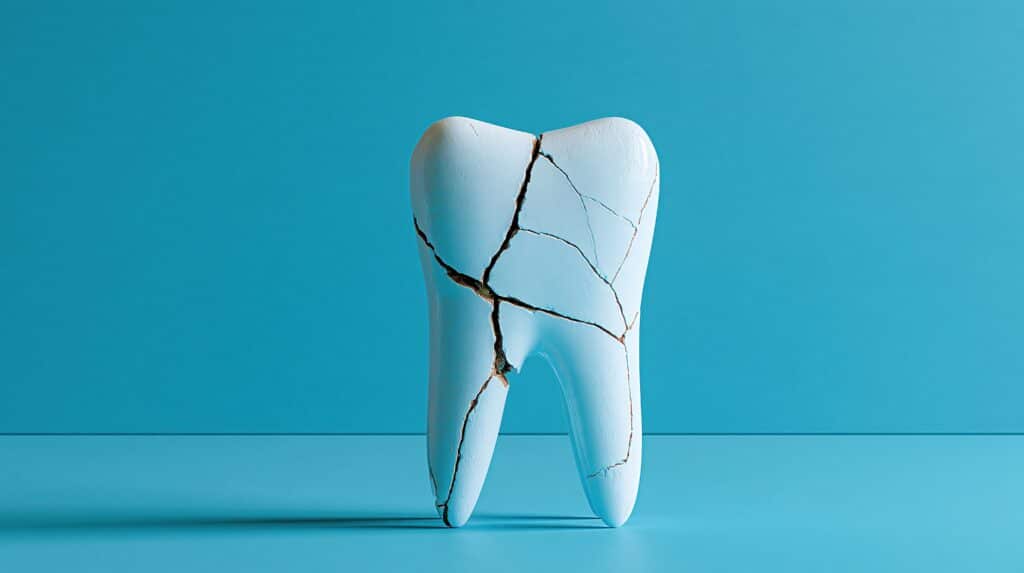
Chipped a Tooth? Here’s What to Do Next
Whether you accidentally bite down on something hard, take a fall, or experience an unexpected injury, chipping a tooth can happen in an instant. One moment, your smile feels completely normal, and the next, you’re running your tongue over a rough or broken edge.
A chipped tooth can be surprising and sometimes painful, but the good news is that many chipped teeth can be successfully repaired with appropriate dental care.
The right treatment depends on several factors, including the size of the chip, where the damage occurred, and whether the inner layers of the tooth have been affected. Even a small chip that doesn’t hurt may need attention to prevent further damage.
At Evanson Dental, we understand how concerning a damaged tooth can be. Knowing what to do immediately after chipping a tooth and when to contact your dentist can help protect your smile and reduce the risk of complications.
What Should You Do Immediately After Chipping a Tooth?
If you’ve chipped a tooth, taking a few simple steps can help protect the affected area until you’re able to see a dentist.
1. Rinse Your Mouth With Warm Water
Start by gently rinsing your mouth with warm water to remove any debris and help keep the area clean.
If the injury caused bleeding, apply gentle pressure with clean gauze.
2. Save Any Broken Tooth Fragments
If you can locate the broken piece of your tooth, carefully collect it and bring it to your dental appointment.
In some situations, a dentist may be able to reattach a tooth fragment, depending on its condition and the location of the fracture.
Store the fragment in milk or saline to help prevent it from drying out. Avoid scrubbing it.
3. Apply a Cold Compress
If your lip, cheek, or surrounding tissues are swollen, apply a cold compress to the outside of your face.
Use a cloth barrier and apply the compress for approximately 10 to 15 minutes at a time.
This may help reduce swelling and discomfort.
4. Protect Sharp Edges
A chipped tooth may leave behind a rough or sharp edge that irritates your tongue, lips, or cheeks.
You can temporarily cover the edge with dental wax or a small amount of sugar-free chewing gum.
This is only a temporary measure until your dentist can evaluate the damage.
5. Avoid Chewing on the Damaged Tooth
Until your tooth has been examined, avoid biting into hard or crunchy foods with the affected area.
Choose softer foods and chew on the opposite side of your mouth when possible.
6. Contact Your Dentist
Even if the chip appears minor, it’s a good idea to contact your dentist for guidance.
Some fractures extend beyond what you can see, and a dental examination can help determine whether treatment is necessary.
If you experience severe pain, significant bleeding, a loose or displaced tooth, or a large fracture, seek urgent dental care.
Why Do Teeth Chip?
Your tooth enamel is the hardest substance in the human body, but it isn’t indestructible.
Teeth can chip when they’re exposed to sudden impact, excessive pressure, or repeated wear.
Common causes include:
Biting Down on Hard Foods
Chewing ice, hard candy, popcorn kernels, or other hard foods can sometimes cause a tooth to chip.
Teeth with existing fillings, cracks, or weakened enamel may be more vulnerable.
Accidents and Falls
Sports injuries, falls, and other accidents can damage teeth, especially the front teeth.
Even a relatively minor impact may cause a chip or fracture.
Teeth Grinding or Clenching
Bruxism, or teeth grinding, places repeated stress on tooth surfaces.
Over time, this can contribute to worn enamel, cracks, and chipped edges.
Tooth Decay
Cavities weaken tooth structure.
When decay affects a significant portion of a tooth, the remaining enamel may be more likely to fracture during normal chewing.
Existing Dental Restorations
Large fillings and other restorations may change how chewing forces are distributed through a tooth.
If the remaining tooth structure is weakened, a chip or fracture may develop.
Everyday Wear and Tear
Teeth naturally experience wear over time.
Acid erosion, repeated pressure, and other factors can gradually reduce the strength of certain areas, increasing the likelihood of damage.
Is a Chipped Tooth a Dental Emergency?
Not every chipped tooth requires immediate treatment, but some injuries need prompt attention.
The urgency depends on the extent of the damage and the symptoms you’re experiencing.
Small Chip Without Pain
A small chip affecting only the outer enamel may not be an emergency.
However, you should still contact your dentist to determine whether the tooth needs to be smoothed, repaired, or monitored.
Moderate Chip With Sensitivity
If the chip exposes the dentin beneath your enamel, you may notice sensitivity to cold, heat, or sweet foods.
This type of damage should be evaluated promptly because the exposed tooth structure may be more vulnerable to irritation and additional damage.
Large Chip With Significant Pain
A large fracture may expose deeper layers of the tooth, including the pulp, which contains nerves and blood vessels.
Symptoms may include:
-
Severe tooth pain
-
Significant sensitivity
-
Bleeding from the center of the tooth
-
Pain when biting
-
A visible pink or red area inside the fracture
These injuries require urgent dental evaluation.
If the injury also involves uncontrolled bleeding, major facial trauma, or difficulty breathing or swallowing, seek emergency medical care.
Can a Chipped Tooth Heal on Its Own?
Unfortunately, a chipped tooth cannot naturally regrow the enamel or tooth structure that has broken away.
Unlike bones, teeth do not repair lost enamel through the same type of healing process.
However, minor enamel damage may not always require extensive treatment.
In some cases, a dentist can smooth a rough edge or recommend monitoring a very small chip.
Larger chips generally require restorative treatment to rebuild the damaged area and protect the remaining tooth.
The important thing is to have the tooth evaluated rather than assuming it will repair itself.
How Does a Dentist Fix a Chipped Tooth?
There are several ways to repair a chipped tooth.
Your dentist will recommend an approach based on the location of the damage, the amount of remaining healthy tooth structure, and the condition of the tooth.
Dental Bonding
Dental bonding is commonly used to repair small to moderate chips, particularly on front teeth.
During the procedure, your dentist applies a tooth-colored composite resin to the damaged area.
The material is shaped to match your natural tooth and hardened with a special curing light.
Dental bonding may be appropriate when:
-
The chip is relatively small
-
The remaining tooth structure is healthy
-
The damage primarily affects appearance
-
A conservative repair is possible
Bonding can often be completed in a single appointment, although the material may require maintenance or replacement over time.
Dental Veneers
A dental veneer is a thin restoration placed over the front surface of a tooth.
Veneers may be considered when a front tooth has cosmetic damage affecting its shape or appearance.
Depending on the type of veneer, treatment may involve removing a small amount of enamel.
Veneers are not appropriate for every chipped tooth, especially when significant structural damage is present.
Dental Crowns
When a large portion of a tooth has broken away, a dental crown may be recommended.
A crown covers the visible portion of the tooth to help restore its shape, function, and strength.
Crowns are often considered when a tooth has:
-
Extensive structural damage
-
A large existing filling
-
Significant wear
-
A fracture that compromises its strength
Your dentist will evaluate whether enough healthy tooth structure remains to support a crown.
Root Canal Treatment
If a fracture exposes or seriously damages the tooth’s pulp, root canal treatment may be necessary.
Root canal treatment involves removing affected pulp tissue, cleaning and sealing the root canal system, and restoring the tooth.
A crown or another restoration may then be recommended to protect the remaining structure.
Not every chipped tooth requires a root canal. This treatment is generally reserved for cases involving significant pulp injury or disease.
Tooth Extraction
In severe cases, a tooth may be fractured too extensively to repair.
If the damage extends deeply below the gumline or compromises the root, extraction may be necessary.
When a tooth cannot be saved, your dentist can discuss replacement options such as a dental implant, bridge, or other appropriate restoration.
What Happens During a Chipped Tooth Appointment?
When you visit your dentist for a chipped tooth, the first step is determining how much damage has occurred.
Your appointment may include:
A Review of the Injury
Your dentist will ask how the tooth was chipped, when it happened, and whether you’re experiencing pain or sensitivity.
A Clinical Examination
The damaged tooth and surrounding tissues will be examined for cracks, fractures, looseness, or other signs of injury.
Dental X-Rays When Needed
X-rays may be recommended to evaluate the tooth root, surrounding bone, or possible damage that isn’t visible during the examination.
Not all cracks are visible on standard dental X-rays, so additional testing may sometimes be necessary.
A Discussion of Treatment Options
Your dentist will explain the findings and recommend appropriate treatment.
For a small chip, this may involve smoothing or bonding. More extensive damage may require a crown or additional procedures.
The goal is to preserve as much healthy tooth structure as possible while restoring comfort and function.
What If Your Chipped Tooth Doesn’t Hurt?
A chipped tooth that doesn’t hurt may seem like something you can ignore.
However, the absence of pain doesn’t necessarily mean the tooth is undamaged.
A small fracture may expose dentin or create a weakened area that becomes more susceptible to further chipping.
Additionally, some cracks may extend beyond the visible surface of the tooth.
Even if you’re not experiencing discomfort, scheduling a dental evaluation can help determine whether the tooth needs treatment.
Can You Eat With a Chipped Tooth?
You may be able to eat with a chipped tooth, depending on the extent of the damage.
However, it’s important to avoid placing unnecessary pressure on the affected area until it has been evaluated.
Consider choosing softer foods such as:
-
Yogurt
-
Scrambled eggs
-
Mashed potatoes
-
Soft pasta
-
Oatmeal
-
Soup that isn’t excessively hot
Avoid hard, sticky, or crunchy foods that could worsen the fracture.
If the tooth is sensitive, you may also want to avoid very hot or cold foods and beverages.
Chew on the opposite side of your mouth when possible.
How Can You Prevent Chipped Teeth?
Not every dental injury can be prevented, but several habits may help reduce your risk.
Avoid Chewing Ice and Other Hard Objects
Chewing ice, hard candy, pens, or other nonfood objects can place unnecessary stress on your teeth.
Wear a Mouthguard During Sports
If you participate in contact sports or activities with a risk of facial injury, wearing a properly fitted mouthguard can help protect your teeth.
Address Teeth Grinding
If you grind or clench your teeth, talk with your dentist about appropriate management options.
A custom nightguard may help protect your teeth from damage associated with sleep bruxism.
Maintain Good Oral Hygiene
Brushing twice daily with fluoride toothpaste and cleaning between your teeth helps reduce the risk of cavities that can weaken tooth structure.
Schedule Regular Dental Exams
Routine dental examinations allow your dentist to monitor existing restorations, identify tooth wear, and look for signs of damage.
Early identification of concerns may help prevent more extensive dental problems.
When Should You Call Evanson Dental About a Chipped Tooth?
If you’ve chipped a tooth, contacting your dentist is the best way to determine how quickly you should be seen.
Consider scheduling an appointment if:
-
You notice a rough or sharp tooth edge
-
Part of your tooth has broken off
-
You develop sensitivity to hot or cold foods
-
Your tooth hurts when biting
-
You notice a crack or change in tooth appearance
-
A filling or crown has broken along with the tooth
Seek urgent dental evaluation for severe pain, a large fracture, or a tooth that has become loose or displaced after an injury.
A chipped tooth may be a relatively simple repair, but only a dental examination can determine the extent of the damage.
Don’t Ignore a Chipped Tooth
Chipping a tooth can be alarming, but many damaged teeth can be repaired with modern restorative dental treatments.
Whether you need minor dental bonding or a more extensive restoration, addressing the problem early can help protect your remaining tooth structure.
Until you’re able to see your dentist, keep the area clean, avoid chewing on the damaged tooth, and protect any sharp edges.
Most importantly, don’t assume that a painless chip doesn’t need attention.
Restore Your Smile at Evanson Dental
At Evanson Dental, we understand how unexpected dental damage can affect your comfort, confidence, and everyday routine.
Our team is committed to helping patients understand their dental concerns and explore appropriate treatment options for maintaining healthy, functional smiles.
Whether you’ve chipped a front tooth, broken part of a molar, or noticed a new crack, a professional dental evaluation can help determine the next steps.
Contact Evanson Dental today to schedule an appointment and learn more about your options for repairing a chipped tooth.
Leave a reply


