
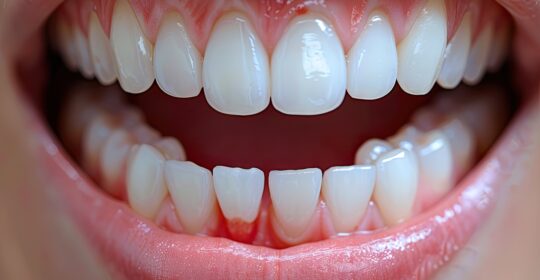
Signs Your Gingivitis is Progressing
Gingivitis is a common and mild form of gum disease that, if left untreated, can progress to more serious conditions like periodontitis. At Evanson Dental, we emphasize the importance of early detection and treatment to prevent the escalation of gingivitis. Here are some signs that your gingivitis might be progressing and steps you can take to protect your oral health.
What is Gingivitis?
Gingivitis is a common and mild form of gum disease that causes irritation, redness, and swelling of the gums, primarily around the base of the teeth. It is usually caused by the buildup of plaque, a sticky film of bacteria that forms on teeth when food particles and bacteria are not adequately removed through brushing and flossing. If plaque is not removed, it can harden into tartar, further irritating the gums and leading to inflammation.
Symptoms of gingivitis include gums that are red, swollen, and prone to bleeding, particularly during brushing or flossing. Although gingivitis is not destructive in its early stages, if left untreated, it can progress to more severe forms of gum disease, such as periodontitis, which can result in tooth loss and other serious health issues. Regular dental care, including good oral hygiene practices and professional cleanings, is essential to prevent and treat gingivitis.
Signs Your Gingivitis is Progressing
- Persistent Bad Breath
While occasional bad breath is normal, persistent bad breath or a bad taste in your mouth can indicate that gingivitis is worsening. The buildup of plaque and bacteria on your teeth and gums can cause these unpleasant odors. Regular brushing, flossing, and professional cleanings are crucial to managing this symptom.
- Red, Swollen, or Bleeding Gums
Healthy gums should be firm, pink, and not prone to bleeding. If your gums are red, swollen, or bleed easily when you brush or floss, this could be a sign that your gingivitis is advancing. This inflammation is your body’s response to bacterial infection, and it needs prompt attention to prevent further damage.
- Gum Recession
As gingivitis progresses, you may notice that your gums are receding, or pulling away from your teeth. This can create pockets where bacteria can accumulate, leading to more severe infections. Gum recession not only affects the appearance of your smile but also can result in tooth sensitivity and increased risk of tooth loss.
- Loose Teeth
One of the more serious signs that gingivitis is progressing to periodontitis is the loosening of teeth. The infection and inflammation can damage the supporting bone and tissues around your teeth, leading to instability. If you notice any movement in your teeth, it’s essential to seek dental care immediately.
- Pus Between Teeth and Gums
The presence of pus or abscesses between your teeth and gums is a clear indication of an advanced infection. This symptom often comes with pain and discomfort and requires urgent dental intervention. Pus indicates that your body is fighting a severe bacterial infection that could lead to more extensive oral health issues.
Preventing the Progression of Gingivitis
- Maintain Good Oral Hygiene
- Brush your teeth at least twice a day with fluoride toothpaste and a soft-bristled toothbrush. Don’t forget to floss daily to remove plaque and food particles from between your teeth and along the gum line.
- Regular Dental Check-Ups
- Schedule regular dental check-ups and cleanings with Evanson Dental. Professional cleanings remove plaque and tartar that regular brushing and flossing can’t reach, helping to prevent the progression of gum disease.
- Healthy Diet
- Eat a balanced diet rich in vitamins and minerals to support your immune system and overall oral health. Avoid sugary and acidic foods and drinks that can contribute to plaque buildup.
- Quit Smoking
- Smoking and using other tobacco products significantly increase your risk of developing gum disease and can interfere with the healing process. Quitting smoking is one of the best things you can do for your gum health.
- Use Antibacterial Mouthwash
- Rinse with an antibacterial mouthwash to help reduce bacteria and control plaque. This can be an effective addition to your oral hygiene routine, especially if you’re prone to gum problems.
Recognizing the signs of progressing gingivitis and taking proactive steps to address them is crucial for maintaining your oral health. At Evanson Dental, we are dedicated to providing comprehensive care to prevent and treat gum disease. If you notice any of these symptoms, don’t hesitate to reach out to us for a consultation and personalized treatment plan.
For more information on preventing and treating gingivitis, or to schedule an appointment, contact Evanson Dental today. Our experienced team is here to help you achieve and maintain a healthy, beautiful smile.
Leave a reply →


